
Showing posts with label superfoods. Show all posts

Wednesday, March 16, 2011

Quinoa- The Hair Superfood

 By Stephanie Rose Bird of Naturallycurly.com

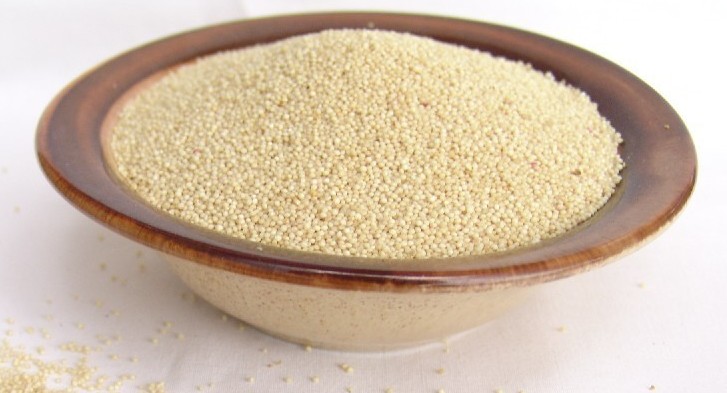
We’re hearing more and more about the miracle “grain” quinoa—mostly as a tasty super-food, but also, increasingly, as an ingredient in hair care products. Let’s learn more about this high-protein food, which though commonly referred to as a grain, is technically not a grain.

Quinoa (Chenopodium quinoa Willd.), pronounced KEEN-WAH, is also called Quinua, meaning “mother grain,” in Inca language. Other names for Quinoa include vegetable caviar and Inca Rice. While it may seem new to many readers, it was a staple in the Inca diet and is still enjoyed regularly by the Quechua and Aymara people, who are their descendents. Quinoa has been consumed consistently over the past 5,000 years by people who inhabit the mountainous and valley regions of Peru, Bolivia, Ecuador and Chile. The indigenous people that have enjoyed Quinoa believe it enriches and oxygenates the blood.

Quinoa for Your Hair

Quinoa offers accessible vegetable protein to gently cleanse and nourish your hair. Its amino acids help repair damage to the hair shaft while its proteins coat, strengthen and protect the hair. Packed with vitamins and minerals as well as amino acids, Quinoa can aid in hair growth while preventing breakage. Many new shampoos and conditioners are utilizing this beneficial herb. Look for hydrolized quinoa protein. This type of formulation is believed to form a protective barrier over the hair shaft, while it encourages sheen. Its humectants attract moisture from the air, while generally conditioning your hair, yielding a well-defined curl pattern and a sexy head of hair.

Nexxus recently launched a new product line—Phyto Organics ChromaLife Colour Retention System—that relies on quinoa’s amazing benefits. PhytoSpecific’s Moisturizing Styling Balm also contains quinoa oil. And Aveda’s Damage Remedy Daily Hair Repair contains quinoa protein, too.

It sounds like an ingredient definitely worth looking for!

Stephanie Rose Bird is a practicing herbalist. She is the author of five books including, “The Big Book of Soul: the Ultimate Guide to the African American Spirit: Legend & Lore, Music & Mysticism, Recipes & Rituals,” published by Hampton Roads Publishers. Her website is at StephanieRoseBird.com.

The Aveda Damage Remedy line is a staple for me. I use it every other week for my deep conditioning treatments and it leaves my hair feeling moisturized and soft! I love it! I never realized that it had quinoa in it.

Do you eat quinoa or use products containing quinoa?

Tuesday, February 8, 2011

Keeping Your Girly Parts Healthy


  Image from: Getty Images

As a woman, it seems that I have to always be mindful of what I eat, drink, the type of detergent I use and even the type of body wash I use. All  in an attempt to avoid those dreaded infections.  You may be all too familiar with them, the yeast infection that seems to appear every few months despite the use of over-the-counter drugs and medications prescribed by the doctor. Or even better yet, the bacterial vaginosis, (sometimes called 'BV') which my doctor says there is no real known cause.

After having to deal with the uncomfortable symptoms of these infections one too many times, I have looked into more natural ways of preventing and curing them.  I came across this list of superfoods on Women's Health.com  that can help keep your nether regions free and clear of any infections.

Grab: Blueberries
From vision-protecting vitamin C to appetite-quelling fiber, there are plenty of reasons to be sweet on these tiny antioxidant powerhouses. And scientists now believe that, like cranberries, blueberries battle urinary tract infections.

Pour on: Kefir
Yeast infections put a serious damper on bed play. "Having lots of fermented milk products, including kefir, is a good way to reduce infections," VanBeber says. These products may add beneficial bacteria to the vagina, keeping infectious bacteria in line, early research indicates. Blend 1/2 cup low-fat plain kefir (we like Lifeway) with a cup of milk, a handful of berries, and a tablespoon of almond butter for a creamy smoothie. 

*From Women's Health Magazine: www.womenshealthmag.com 

Home Remedies for Infections

(Taken from www.ayurvediccure.com)

  • Dip a tampon in plain yogurt containing Lactobacillus acidophilus, and insert into the vagina twice a day until your symptoms clear up. Repeat  until symptoms disappear.
  • Peel a fresh clove of garlic and make a little tampon by wrapping it in cheesecloth and tying with unwaxed dental floss. You may leave a bit of floss to pull it out afterward. Insert it in vagina and leave there for several hours, say overnight, and remove it in the morning. For severe infection, try this in the morning and during night both. Repeat this until one day after the symptoms disappear. 
  • Pour a few drops of Teatree oil (available from natural health stores) on a lubricated tampon & insert into the vagina. It is an effective home remedy for yeast infection.
  • Add 1 Tbsp of Apple Cider Vinegar in 2 cups of water and put 1 garlic clove in it. Let it stand for some time and use this for douching.
  I make it a habit to eat yogurt (my favorite is Dannon Activia!) just about everyday and drink some water with a tablespoon of apple cider vinegar in it about once a week to lower the chance of bad bacteria overgrowth in my body.

Have you tried natural ways to keep your girl parts healthy? 

*If you suspect you have an infection, be sure to see your physician first.

Sunday, April 11, 2010

Superfoods to Help Keep Your Girl Parts Healthy!


  Image from: Getty Images

As a woman, it seems that I have to always be mindful of what I eat, drink, the type of detergent I use and even the type of body wash I use. All  in an attempt to avoid those dreaded "women" infections.  You may be all too familiar with them, the yeast infection that seems to appear every few months despite the use of over-the-counter drugs and medications prescribed by the doctor. Or even better yet, the bacterial vaginosis, (sometimes called 'BV') which my doctor says there is no real known cause.

After having to deal with the uncomfortable symptoms of these infections one too many times, I have looked into more natural ways of preventing and curing them.  I came across this list of superfoods on Women's Health.com  that can help keep your nether regions free and clear of any infections.

Grab: Blueberries
From vision-protecting vitamin C to appetite-quelling fiber, there are plenty of reasons to be sweet on these tiny antioxidant powerhouses. And scientists now believe that, like cranberries, blueberries battle urinary tract infections.

Pour on: Kefir
Yeast infections put a serious damper on bed play. "Having lots of fermented milk products, including kefir, is a good way to reduce infections," VanBeber says. These products may add beneficial bacteria to the vagina, keeping infectious bacteria in line, early research indicates. Blend 1/2 cup low-fat plain kefir (we like Lifeway) with a cup of milk, a handful of berries, and a tablespoon of almond butter for a creamy smoothie. 

*From Women's Health Magazine: www.womenshealthmag.com

Related Posts Plugin for WordPress, Blogger...
 
Template: Blog Designs by Sheila